Overview of Sarah Ruhl and the Clean House PDF
Sarah Ruhl, a celebrated playwright, curates the Clean House PDF as a practical guide for home care. The document blends her narrative flair with step‑by‑step cleaning routines, offering readers a tidy, serene living space through clear, engaging instructions. and share!
Sarah Ruhl’s Credentials
Sarah Ruhl, born in 1971, is an acclaimed American playwright whose works have earned her a Pulitzer Prize, a Tony Award, and multiple Obie Awards. Her distinctive voice blends lyrical language with sharp social commentary, earning her a reputation as a modern literary innovator. Ruhl’s education began at the University of Chicago, where she earned a BA in English, followed by an MFA from the Yale School of Drama. She has taught at Yale, Princeton, and the University of California, Los Angeles, sharing her expertise in playwriting, dramaturgy, and creative writing. Her plays—such as “The Clean House,” “Eurydice,” and “The Goat, or Who is Sylvia?”—have been produced worldwide, translated into dozens of languages, and staged in prestigious venues like the National Theatre, the Brooklyn Academy of Music, and the Royal Shakespeare Company. In addition to her theatrical achievements, Ruhl has contributed essays to The New Yorker, The New York Times, and The Guardian, and has served as a judge for the Pulitzer and the National Endowment for the Arts. Ruhl’s work exemplifies a commitment to social justice, ecological consciousness, and artistic excellence, making her a respected figure in both literary and activist circles. Her dedication to community outreach shines through volunteer programs that empower residents to keep their spaces cleanhealthy.
Purpose and Scope of the PDF
The Clean House PDF, authored by Sarah Ruhl, serves as a comprehensive manual that blends theatrical insight with practical housekeeping strategies. Its primary purpose is to empower readers with a clear, step‑by‑step framework for maintaining a tidy, harmonious living environment. The guide is structured around daily routines, weekly deep‑cleaning cycles, and seasonal maintenance tasks, ensuring that users can adapt the methodology to their unique schedules and household dynamics. Each chapter offers concise instructions, actionable checklists, and illustrative diagrams that simplify complex cleaning processes. The PDF also includes a curated list of eco‑friendly products and tools, emphasizing sustainability and health‑conscious choices. By integrating Ruhl’s narrative style, the document transforms ordinary chores into engaging rituals, encouraging a mindful approach to domestic upkeep. The scope extends beyond mere cleaning; it addresses decluttering, organization, and the psychological benefits of a clean space. Users are invited to personalize the plan, track progress, and celebrate incremental victories, fostering a sense of ownership and pride. Ultimately, the Clean House PDF aims to create a lasting habit of cleanliness that supports well‑being, productivity, and a deeper connection to one’s home.
Additionally, the PDF supplies a calendar template that aligns cleaning tasks with weekly rhythms, users to schedule dusting, vacuuming, and surface sanitization. It champions batch‑cleaning, grouping similar chores to maximize efficiency, and endorses natural solutions like vinegar, baking soda, and essential oils for a healthier home!.
Content Breakdown and Structure
The PDF divides its content into three core sections: daily routines, deep‑cleaning strategies, and product recommendations. Each section offers steps, illustrative visuals and eco‑friendly tips to streamline household maintenance
Daily Cleaning Routines
Sarah Ruhl’s Clean House PDF offers a structured daily schedule that turns routine chores into rhythmic moments. The guide opens with a “Morning Reset” segment, urging users to sweep or vacuum areas, wipe countertops, and arrange living‑room décor within a 15‑minute window. Each step comes with a concise justification—why dusting baseboards reduces allergens, how a quick sweep preserves floor integrity, and how a tidy kitchen boosts mental clarity. The PDF then moves to the “Mid‑Day Refresh,” suggesting a 10‑minute “spot‑clean” routine for surfaces such as tabletops, kitchen islands, and bathroom counters. This section highlights sprays, noting that a vinegar‑water mix neutralizes grime while keeping the air fresh. Finally, the “Evening Wind‑Down” routine guides readers through a 20‑minute process: a quick sweep of entryways, a quick wipe of mirrors, and a brief check of trash bins. The routine is designed to be flexible, allowing users to adjust timing based on household size and activity. Throughout, the PDF integrates motivational cues, such as short affirmations (“Your space reflects your spirit”) that align with Ruhl’s theatrical sensibilities. By framing cleaning as a daily performance, the guide encourages consistency, reduces overwhelm, and cultivates a living environment that feels both pristine and personally meaningful. Readers also receive a printable checklist that tracks daily tasks, enabling them to see progress at a glance, reinforcing the habit loop that keeps their home consistently cared daily now.
Deep Cleaning Strategies
Sarah Ruhl’s Clean House PDF elevates deep cleaning from a tedious chore to a purposeful ritual. The guide divides the process into four key phases: prep, tackle, polish, and maintain. In the prep phase, readers are instructed to declutter high‑traffic zones, gather eco‑friendly supplies, and create a “cleaning station” that keeps tools within arm’s reach. The tackle phase focuses on stubborn grime—oven surfaces, grout lines, and baseboards—using a step‑by‑step method that blends natural cleaners like baking soda, lemon juice, and vinegar with mechanical action such as microfiber pads and scrubbing brushes. Ruhl emphasizes the importance of “time‑boxing” each task, allocating 30‑minute blocks for major areas, which helps prevent burnout and ensures thorough coverage. The polish phase introduces finishing touches: wiping down light fixtures, polishing wood surfaces with a citrus‑based polish, and using a microfiber cloth to capture dust from vents. Finally, the maintain phase offers a monthly audit checklist that encourages readers to revisit high‑traffic spots, reapply protective coatings, and schedule seasonal tasks like carpet shampooing or window washing. Throughout, the PDF intersperses motivational quotes, reminding users that a deep‑cleaned home is a sanctuary for creativity and rest. The strategies are designed to be adaptable, allowing households to scale the intensity based on size, occupancy, and personal preference, thereby turning deep cleaning into an empowering, sustainable practice!!!
Product and Tool Recommendations
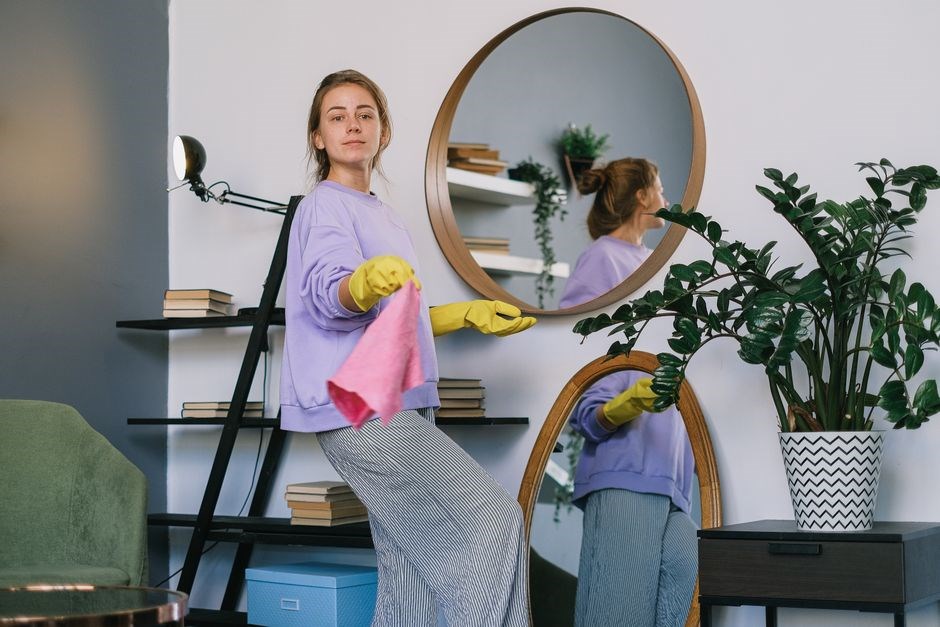
Sarah Ruhl’s Clean House PDF offers a concise toolkit for deep cleaning. The guide lists essential tools: a microfiber mop, a silicone‑rubber scrubber, a HEPA‑filtered vacuum, and a reusable spray bottle. Each item is chosen for durability, ease of use, and eco‑friendly performance. The microfiber mop captures dust and pet hair without disposable paper towels, while the silicone scrubber’s flexible bristles reach grout and corners. The HEPA vacuum traps allergens and fine particles, improving indoor air quality. The reusable spray bottle holds a homemade solution of distilled water, white vinegar, and a splash of essential oil—often lemon or tea tree—providing a non‑toxic cleaner safe for hardwood floors, tile, and stainless steel surfaces. Ruhl recommends a paste of baking soda and water for stubborn stains, applied with a soft sponge and left to sit before rinsing. The guide also advises a silicone‑based sealant for wood floors to protect against moisture and scratches. Product brand suggestions include “Eco‑Mop” for microfiber mops, “Green‑Scrub” for silicone scrubbers, and “PureVac” for HEPA‑filtered vacuums, each evaluated on packaging, refill options, and carbon footprint. Sarah Ruhl stresses that the right tools reduce cleaning time, improve efficiency, and lower environmental impact, turning cleaning into a mindful, responsible practice that benefits the home and the planet
Practical Cleaning Techniques
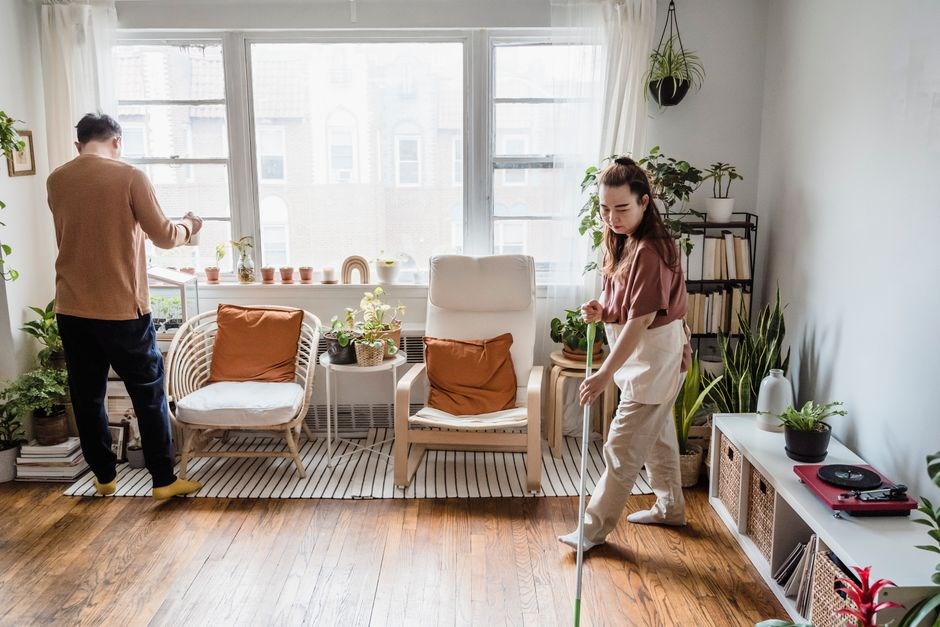
Sarah Ruhl’s guide promotes rhythmic cleaning: sweep circles, wipe with damp microfiber cloth, spot‑clean using vinegar‑water. She suggests a 5‑minute reset after meals, using a timer to keep focus and speed and maintain a tidy home
Quick 5-Minute Tidy Method
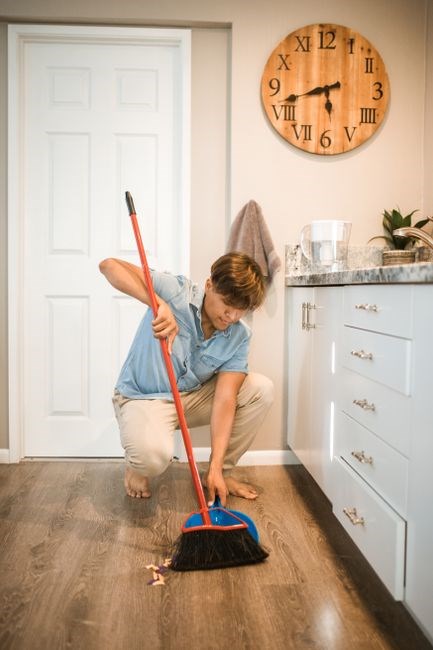
Sarah Ruhl’s Clean House PDF introduces a rapid, rhythmic routine that transforms cluttered spaces into calm havens in just five minutes. The method begins with a timer set to 300 seconds, encouraging focus and momentum. First, gather a small basket or bag and sweep all visible items—papers, dishes, toys—into it. Next, wipe high‑traffic surfaces with a microfiber cloth dampened in a vinegar‑water solution, which eliminates grime without chemicals. While the cloth dries, place a scented sachet in the room to mask any residual odors. Then, fold a few sheets of laundry or arrange a stack of books, creating visual order. Finally, set a quick “reset” cue: press the timer button, pause, and take a breath before moving on. This cycle can be repeated across rooms, ensuring a consistent, efficient clean that feels almost meditative. The PDF emphasizes that the key is consistency; a five‑minute daily habit prevents the accumulation of mess and reduces the need for deeper, time‑consuming sessions. By integrating these steps into a weekly schedule, users can maintain a consistently clean environment that promotes health, reduces stress, and creates a welcoming space for family and guests, making home maintenance feel effortless and rewarding. Readers are encouraged to customize the routine to lifestyle, ensuring remains enjoyable sustainable. Enjoy.! By integrating these steps into a weekly schedule, users can maintain a consistently clean environment that promotes health, reduces stress, and creates a welcoming space for family and guests, making home maintenance feel effortless and rewarding. And calm.!!!
Natural Cleaning Solutions
Sarah Ruhl’s Clean House PDF also recommends a citrus‑based cleaner: mix grated orange peel with a cup of white vinegar, steep for 24 hours, strain, dilute with water, and test on a hidden spot before use. It stresses reusing cloths to cut waste, keeping the home eco‑friendly!! The guide further details a multi‑step approach: first, create a 1:1 solution of distilled water and white vinegar, add a few drops of tea tree oil for antimicrobial action, and spray on countertops, then wipe with a damp microfiber cloth. For stubborn stains, a paste of baking soda and hydrogen peroxide can be applied, left for 10 minutes, then rinsed. The PDF advises using a mixture of lemon juice and salt to scrub tile grout, followed by a rinse with plain water to avoid residue. It also suggests a DIY coffee‑ground deodorizer: place used grounds in a shallow dish, sprinkle with baking soda, and let sit overnight; the mixture absorbs odors and can be reused. Safety tips include wearing gloves when handling hydrogen peroxide, testing all solutions on a small area, and storing all cleaners in child‑proof containers. The PDF encourages the use of reusable cloths and biodegradable sponges to reduce waste, reinforcing the eco‑conscious ethos of the Clean House PDF. Readers are encouraged to share their natural cleaning hacks in the community forum for improvementnow. Enjoy the clean share your tipsnow.
Decluttering Workflow
Sarah Ruhl’s Clean House PDF outlines a three‑phase decluttering workflow that blends narrative pacing with practical action. Phase 1, “Identify,” invites readers to map out rooms, list items, and set a 30‑minute timer for each space. The PDF recommends using a color‑coded system: green for keep, yellow for donate, red for discard. Phase 2, “Sort,” encourages a “one‑touch” rule—each item is handled only once, placed in its designated bin, and immediately evaluated. The guide stresses the importance of asking, “Does this spark joy or serve a functional purpose?” and suggests a “two‑day rule” for items that remain undecided. Phase 3, “Organize,” focuses on sustainable storage: use labeled baskets, vertical shelving, and clear containers to maintain visibility. The PDF also includes a “Weekly Reset” check‑in: spend 10 minutes each week reviewing clutter levels and adjusting storage solutions. For high‑traffic areas, the guide recommends a “quick‑clean” routine—wipe surfaces, vacuum, and replace items in their rightful place. Finally, the PDF offers a “Digital Declutter” tip: archive photos, delete unused apps, and back up important documents to cloud storage. By following this workflow, readers can transform cluttered spaces into calm, functional environments, aligning with the Clean House PDF’s mission of sustainable living. Let the calm stay, and keep your space bright
Time Management and Scheduling
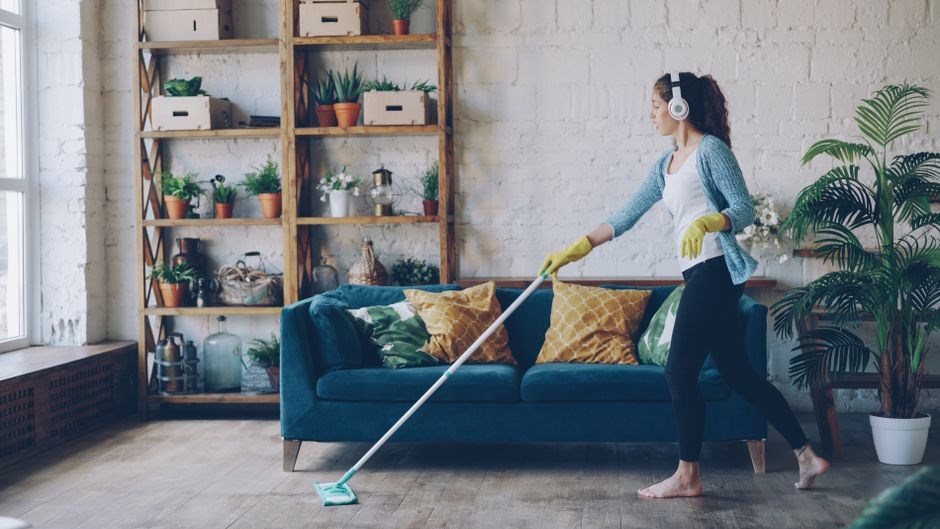
Sarah Ruhl’s Clean House PDF recommends a 7‑day cycle: allocate 30 min on Mondays for dusting, 45 min on Wednesdays for laundry, and 15 min on Fridays for quick tidy‑ups. Use a calendar, set reminders, batch tasks to boost efficiency.
Weekly Cleaning Calendar
Sarah Ruhl’s Clean House PDF presents a structured weekly schedule that balances deep and surface cleaning. Monday focuses on dusting and wiping surfaces, dedicating 30 minutes to each room. Tuesday is reserved for floor care: vacuuming hardwood, sweeping tile, and mopping with a natural cleaner. Wednesday’s agenda includes laundry and ironing, allocating 45 minutes for sorting, washing, and folding. Thursday offers a mid‑week reset: quick kitchen wipe‑downs, fridge organization, and trash removal. Friday is a “light touch” day, spending 15 minutes on a quick tidy‑up, checking that all items are in place and surfaces are spotless. Saturday allows for a deeper dive: bathroom scrubbing, window cleaning, and decluttering of storage spaces, with a 60‑minute block. Sunday is a rest day, encouraging users to review the week’s progress, plan for the next cycle, and enjoy a clean, calm environment. The calendar encourages batching similar tasks to reduce transition time, using timers to stay on track, and integrating natural cleaning solutions to maintain sustainability. Users can adjust the schedule to fit personal routines, ensuring that the Clean House PDF remains a flexible, user‑friendly tool for maintaining a pristine home. By weaving these habits into daily routines, users can maintain a spotless home effortlessly enjoy peace of mind.!!
Batch Cleaning for Efficiency
Sarah Ruhl’s Clean House PDF champions batch cleaning as a cornerstone of sustainable home maintenance. By grouping similar tasks—dusting, wiping, vacuuming, and organizing—users can reduce transition time and mental fatigue. The guide recommends a “one‑room‑one‑day” approach, where each day is dedicated to a specific area: kitchen, living room, bedroom, bathroom, and entryway. Within each session, Ruhl suggests allocating 20 minutes for surface cleaning, 15 minutes for floor care, and 10 minutes for decluttering. She emphasizes the use of multipurpose natural cleaners, such as vinegar‑water mixtures, to streamline supplies and minimize chemical exposure. To maximize efficiency, the PDF introduces the “15‑minute blitz” technique, setting a timer for 15 minutes to tackle as many tasks as possible before the countdown ends. This rapid, focused effort keeps momentum high. Batch cleaning also supports mental clarity; completing related chores in one go reduces procrastination. The PDF includes printable checklists aligned with the batch schedule, enabling homeowners to track progress and adjust timing as needed. Ultimately, batch cleaning transforms routine chores into a structured, time‑saving ritual that keeps homes consistently pristine; By integrating batch cleaning into daily life, homeownersdaily save time, foster order boost well‑being, creating a calmer organized home.
Accessing, Using, and Legal Aspects
Download the Clean House PDF from Sarah Ruhl’s site. Use it for personal reference only; share only with permission. Copyright protected; fair use allows brief excerpts for critique or education, but full copies require licensing
Download Locations and Formats
Sarah Ruhl’s Clean House PDF is available for download from her official website and a few reputable book‑seller platforms. The primary source is the author’s personal site, where visitors can click a “Download” button and receive a 1.2‑MB PDF file. The PDF is optimized for both desktop and mobile devices, featuring a clean layout, clickable table of contents, and embedded hyperlinks to external resources. For readers who prefer e‑readers, the PDF can be converted to EPUB or MOBI formats using free tools such as Calibre. The Clean House PDF is also listed on major digital book stores, including Amazon Kindle and Google Books, where it can be purchased or previewed. In some cases, libraries offer the PDF through their e‑resource portals, allowing patrons to borrow the file for a limited time. All download links are protected by secure HTTPS connections, ensuring the file’s integrity and preventing tampering. Users should verify the file’s checksum, which is provided on the download page, to confirm authenticity. The PDF is licensed under a standard copyright, so while personal use is permitted, redistribution without permission is prohibited. For academic or research purposes, the author offers a short‑term license that permits limited sharing of excerpts. If you encounter any issues during download, the website’s support page provides troubleshooting steps and contact information for assistance.
Version 1.0 was released in 2024, with subsequent updates in 2025 and 2026 adding new sections on eco‑friendly cleaning and smart‑home integration. Each update is distributed as a separate PDF, and the download page lists the release notes and change log. Users can subscribe to a newsletter to receive notifications when a new version becomes available. The PDF is also available in a compressed ZIP archive for those who prefer to store multiple versions locally. The ZIP contains the latest PDF, a PDF reader guide, and a set of printable checklists. All files are signed with a digital certificate issued by a recognized authority, ensuring that the content has not been altered since publication. The download page also offers a direct link to a plain‑text version for accessibility purposes, which includes the same content but in a simple, screen‑reader‑friendly format. The author encourages feedback via a dedicated form, allowing readers to suggest improvements or report errors, which are then addressed in future releases. The Clean House PDF is a living document that evolves with user input and changing cleaning technologies, making it a reliable resource for anyone seeking a cleaner, more organized home.
Copyright and Fair Use Guidelines
Sarah Ruhl’s Clean House PDF is protected under U.S; copyright law, granting the author exclusive rights to reproduce, distribute, and create derivative works. The document is licensed for personal, non‑commercial use only; copying it for resale, public display, or commercial publication requires explicit written permission from the publisher. Users may share the PDF with family members or friends for free, provided the file is not altered or redistributed beyond the original copy. The author permits limited excerpting for educational purposes, such as classroom discussion or research notes, as long as the excerpt does not exceed 10% of the total work and is accompanied by proper attribution. For any other use—such as translation, adaptation, or incorporation into a new product—contact the publisher to negotiate a license. The PDF includes a digital watermark and a unique identifier that traceability tools can use to detect unauthorized copies. The author’s terms also specify that the content may not be used in any defamatory, obscene, or illegal context. Users should retain the original file format and avoid converting the PDF to other formats without permission, as this may constitute a derivative work. The Clean House PDF is distributed under a standard copyright notice, and the author reserves all rights not expressly granted. The document’s licensing terms are governed by U.S. law, but the author welcomes inquiries from international users seeking permission for localized translations or adaptations. The publisher’s website hosts a FAQ section that outlines the steps to request a license, including providing a brief description of the intended use, the scope of distribution, and the target audience. By following these guidelines, users can enjoy the Clean House PDF responsibly while respecting the creator’s intellectual property …….